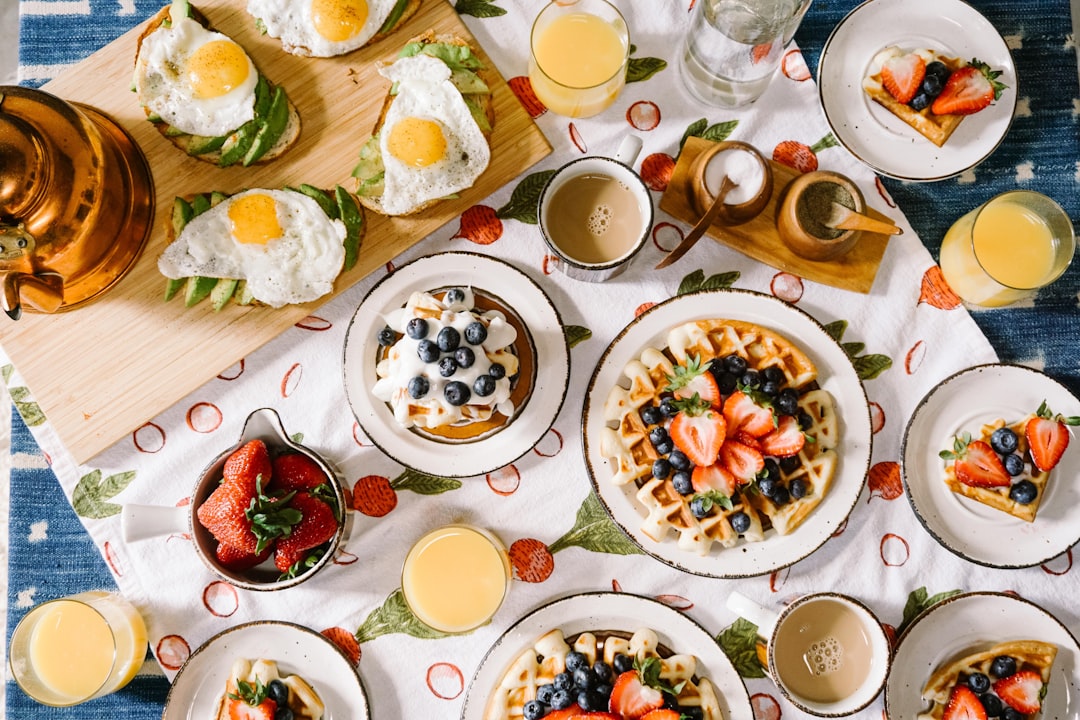
The balanced plate method is a simple way to turn whole ingredients into satisfying, nourishing meals without relying on rigid menus or calorie counting. Use this flexible formula to plan breakfast, lunch, and dinner, adjust portions to your hunger and routine, and build healthy whole-food meals from whatever is available.
Overview
A balanced meal usually combines four elements: vegetables or fruit, a protein-rich food, a source of carbohydrate such as whole grains or starchy vegetables, and a modest amount of nourishing fat. Together, these components can make a meal more filling, flavorful, and useful for steady energy.
The method is a guide rather than a rule. A meal does not become unhealthy because the portions are different from the suggested pattern, and not every plate needs to include every category. The goal is to create a reliable starting point for choosing foods in a whole foods diet, especially when you are deciding what to cook, order, or pack.
Think of the plate as a visual checklist:
- About half the plate: vegetables and, when appropriate, fruit. Use fresh, frozen, or canned produce with minimal added ingredients.
- About one-quarter: protein, such as beans, lentils, tofu, eggs, fish, poultry, yogurt, or another food that fits your eating pattern.
- About one-quarter: whole grains or starchy vegetables, including oats, brown rice, quinoa, whole-grain pasta, potatoes, corn, or winter squash.
- A supporting portion: fat for flavor and satisfaction, such as olive oil, avocado, nuts, seeds, or a tahini-based dressing.
Water, sparkling water, or unsweetened tea can complete the meal. If you want a more detailed approach to hunger, pacing, and portions, use this mindful eating worksheet alongside the plate method.
Template structure
To build a balanced plate, choose one item from each category. Start with the ingredient you already have, then fill in the missing pieces.
1. Choose produce
Begin with two or more kinds of produce when possible. Roast carrots and broccoli, add spinach and tomatoes to a grain bowl, or serve sliced fruit with breakfast. Seasonal choices can make this easier and more economical because they offer variety throughout the year. For storage and cooking ideas, refer to the seasonal whole-food produce guide.
2. Add protein
Protein can come from animal foods or plants. Try chickpeas, black beans, lentils, edamame, tofu, tempeh, eggs, plain yogurt, fish, or chicken. If you are making plant-based whole food recipes, combine legumes, soy foods, nuts, seeds, or whole grains across the day rather than worrying about creating a perfect combination at every meal. For more ideas, see the high-protein plant-forward meal builder.
3. Add a satisfying carbohydrate
Carbohydrates are not an optional category for everyone; they can provide useful fuel and make meals more satisfying. Choose oats, barley, brown rice, quinoa, whole-grain bread, potatoes, sweet potatoes, or corn. Portion needs vary with appetite, activity, age, and personal goals, so let hunger and energy needs inform the amount.
4. Finish with flavor and fat
A small amount of fat can carry flavor and improve the eating experience. Add a spoonful of pesto, a drizzle of olive oil, sliced avocado, toasted seeds, nuts, or a yogurt-based sauce. Herbs, spices, citrus, vinegar, garlic, and chile can make simple healthy recipes more appealing without requiring elaborate preparation.
How to customize
The best healthy meal formula is one you can use in real life. Adjust it for dietary needs, schedule, budget, and preferences.
Match the meal to your hunger
On a light-hunger day, a smaller plate or a snack-sized combination may be enough. After a long workday or active session, you may want more food, particularly protein and carbohydrate. Eat slowly enough to notice changes in hunger and satisfaction, then save or add food as needed rather than forcing a predetermined portion.
Use practical substitutions
Fresh produce can be replaced with frozen vegetables, canned tomatoes, or fruit packed without excessive added sugar. Beans can stand in for meat in tacos, soups, and grain bowls. Brown rice can be swapped for barley, quinoa, potatoes, or whole-grain bread. If dairy is not part of your diet, try calcium-fortified plant beverages or unsweetened soy yogurt where appropriate. This ingredient substitution chart can help when a recipe needs an adjustment.
Plan for convenience
Healthy whole-food meals do not need to be cooked from scratch three times a day. Batch-cook a grain, roast a tray of vegetables, and prepare a protein at the same time. Keep washed fruit, hummus, boiled eggs, nuts, or yogurt available for quick meals and healthy snacks. For breakfast, use the same formula with oats, fruit, yogurt, seeds, or eggs; the breakfast meal-prep guide offers a useful rotation approach.
Keep family meals flexible
Serve components separately when tastes differ: rice, roasted vegetables, beans or chicken, and a sauce can become several plates from one dinner. This allows each person to choose familiar foods while gradually trying new ones. See the guide to family dinners for picky eaters for more mix-and-match ideas.
Examples
Use these combinations as starting points, then substitute ingredients based on season, availability, and preference.
Breakfast
- Oat bowl: oats cooked with milk or a fortified plant beverage, berries or sliced banana, Greek-style or soy yogurt, and pumpkin seeds.
- Vegetable toast plate: whole-grain toast topped with eggs or mashed beans, plus tomatoes, greens, and fruit.
- Make-ahead option: plain yogurt or soy yogurt with oats, chopped fruit, walnuts, and cinnamon, prepared the night before.
Lunch
- Bean grain bowl: quinoa or brown rice, black beans, roasted peppers, cabbage, avocado, and lime-tahini dressing.
- Packable salad: lentils, whole-grain pasta, cucumber, cherry tomatoes, olives, herbs, and a separate vinaigrette. For more no-microwave options, explore these healthy work lunches.
- Leftover plate: yesterday's roasted vegetables and grain paired with leftover chicken, tofu, or beans and a fresh salad.
Dinner
- Sheet-pan dinner: salmon, tofu, or chicken with potatoes and seasonal vegetables, finished with lemon and herbs.
- Plant-forward tacos: corn tortillas, pinto beans, sautéed vegetables, cabbage, avocado, and salsa.
- Simple bowl: brown rice, steamed broccoli, baked tofu, shredded carrots, and a ginger-peanut sauce.
Cooked components can also become tomorrow's lunch. Turn roasted vegetables into a frittata, fold grains and beans into a salad, or add leftover protein to soup. The leftover makeover guide can help you plan these transitions.
When to update
Revisit your balanced plate plan whenever your circumstances change. Refresh it at the start of a new season, when your schedule or activity level shifts, or when you notice that meals are repeatedly leaving you hungry, overly full, or short on variety. It is also useful to review the formula before a new weekly shopping trip so you can choose produce, proteins, and grains with several meals in mind.
For a practical weekly reset, write down three proteins, three produce combinations, and two carbohydrate bases. Turn those choices into two breakfasts, two lunches, and three dinners, allowing leftovers to fill the gaps. Check that the plan includes foods you enjoy, realistic preparation time, and at least one easy option for busy days. Then make one plate at a time: produce first, protein next, a satisfying carbohydrate, and flavor to finish.
Nutrition guidance can evolve, and individual needs may require more specific advice. If you manage a medical condition, have significant dietary restrictions, or need a therapeutic eating plan, use this general framework as a conversation starter with a qualified health professional. Otherwise, return to the template regularly, change the ingredients with the seasons, and let mindful attention to hunger and satisfaction keep the method flexible.