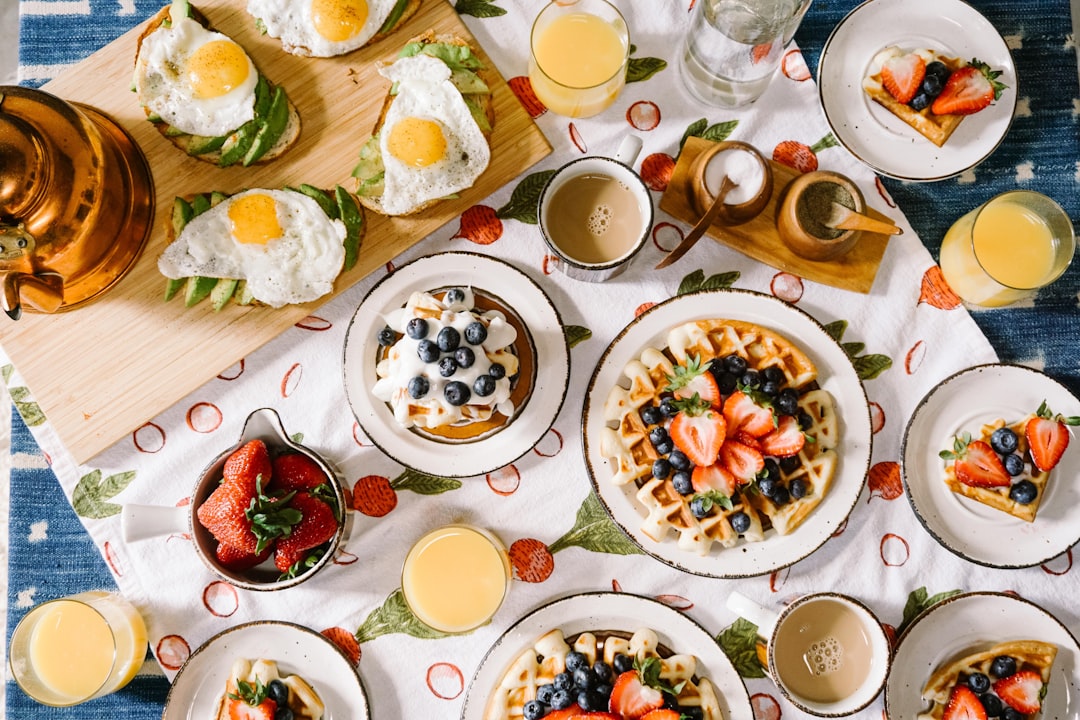
Healthy family meals do not need to be identical on every plate. This mix-and-match guide helps you serve one shared whole-food dinner with flexible proteins, vegetables, grains, sauces, and textures—so picky eaters can stay comfortable while the family gradually explores new foods.
Overview
Picky eating is often easier to manage when dinner feels predictable. Instead of preparing a separate meal for each person, build a modular plate from components served separately or arranged in simple combinations. Everyone receives the same meal, but each person can choose how to assemble it.
A practical family dinner has four parts:
- A familiar food: Include something the child usually accepts, such as rice, bread, potatoes, fruit, yogurt, or a plain grain.
- A protein: Offer an age-appropriate portion of eggs, beans, lentils, chicken, fish, tofu, yogurt, cheese, or another family staple.
- A fruit or vegetable: Serve one preferred option when possible, alongside a small portion of a less familiar food.
- A flavor or texture choice: Keep sauces, herbs, toppings, and crunchy elements on the side so diners can customize their plates.
This approach supports healthy whole-food meals without making one ingredient responsible for the entire nutritional value of dinner. A child may eat only the grain and fruit one night, then try the beans or roasted vegetables another night. Repeated, low-pressure exposure can be more useful than insisting on a specific number of bites.
For a broader framework, use the Balanced Plate Meal Builder to combine food groups, then adapt the components to your household’s preferences, schedule, and budget.
Checklist by scenario
Mix-and-match component chart
Choose one item from several columns. You do not need to use every option at every meal; the chart is a menu of possibilities for whole food meals for picky eaters.
| Part of dinner | Familiar choices | New or rotating choices | Texture options |
|---|---|---|---|
| Protein | Eggs, plain yogurt, shredded chicken, cheese | Lentils, beans, tofu, fish, turkey meatballs | Mashed, shredded, cubed, blended into a patty |
| Grain or starch | Rice, pasta, toast, potatoes | Quinoa, corn tortillas, barley, whole-grain couscous | Soft, toasted, crisp, separate from sauce |
| Vegetable | Cucumber, peas, carrots, corn | Broccoli, zucchini, peppers, cabbage, greens | Raw, steamed, roasted, grated, puréed |
| Fruit | Banana, applesauce, berries, melon | Kiwi, mango, pear, peaches | Fresh, frozen and thawed, sliced, mashed |
| Sauce or topping | Butter, plain yogurt, mild cheese | Hummus, pesto, salsa, tahini yogurt | Dip, drizzle, spread, served separately |
Scenario: the child prefers foods separated
Serve a deconstructed dinner. Put rice, chicken, cucumber, and a yogurt dip in separate sections of the plate rather than combining them in a bowl. The rest of the family can add sauce or mix components at the table. Separation is a serving method, not a failure to prepare a complete meal.
Scenario: the child rejects vegetables
Keep offering a small, non-demanding portion beside familiar foods. Change the preparation before assuming the ingredient is permanently disliked: try roasted carrots instead of steamed, grated zucchini instead of chunks, or corn on the cob instead of loose kernels. Do not hide every vegetable; visible, optional exposure helps children learn what a food looks and tastes like.
Scenario: the family has different dietary needs
Start with a shared base, then vary one component. For example, serve rice, roasted vegetables, and a mild sauce to everyone, with beans for one person and chicken or tofu for another. For allergies, medically necessary diets, or feeding concerns, use verified ingredient labels and individualized advice from an appropriately qualified professional.
Two-week planning worksheet
Before shopping, fill in one choice for each line. Repeat accepted foods while changing only one element at a time.
- Week 1, Dinner 1: Familiar grain: ______; protein: ______; preferred produce: ______; new exposure: ______.
- Week 1, Dinner 2: Familiar grain: ______; protein: ______; preferred produce: ______; new exposure: ______.
- Week 1, Dinner 3: Familiar grain: ______; protein: ______; preferred produce: ______; new exposure: ______.
- Week 1, Dinner 4: Familiar grain: ______; protein: ______; preferred produce: ______; new exposure: ______.
- Week 2, Dinner 1: Keep one accepted component; change the protein or preparation: ______.
- Week 2, Dinner 2: Keep one accepted component; add a seasonal fruit or vegetable: ______.
- Week 2, Dinner 3: Serve a previously offered food in a different texture: ______.
- Week 2, Dinner 4: Let the child choose between two balanced combinations: ______ or ______.
Use the Seasonal Whole-Food Meal Planner for additional produce ideas, and check the whole-food grocery list by aisle before shopping.
What to double-check
- Food safety: Match preparation, cutting, temperature, and serving choices to the child’s age and development. Supervise meals and avoid foods that are unsafe for the child’s developmental stage. Review current pediatric or public-health guidance when planning for babies, toddlers, or children with swallowing concerns.
- Allergens: Read labels on packaged foods, sauces, broths, breads, and plant-based products. Avoid cross-contact when a household member has a diagnosed allergy, and follow the family’s clinical plan.
- Energy and variety: Across the day and week, aim to offer foods from several groups rather than judging one dinner in isolation. Include filling carbohydrates, protein, produce, and nourishing fats in combinations that suit the household.
- Texture and temperature: A child may reject a food because it is wet, mixed, cold, stringy, or crunchy—not because of its flavor. Adjust the presentation before removing the food from the menu.
- Storage: Cool, store, and reheat leftovers according to current food-safety guidance. The seasonal produce storage guide can help reduce waste when fresh ingredients are purchased for the week.
Common mistakes
- Cooking a completely separate meal: This can make dinner more difficult to sustain. Offer flexible components from the shared meal instead.
- Adding too many new foods at once: Keep most of the plate familiar and introduce one small change.
- Using pressure or bargaining: Forced tasting, threats, and dessert-based rewards can make meals more stressful. Invite, describe, and allow the child to decide whether to taste.
- Serving an oversized portion: A large serving of an unfamiliar food can feel overwhelming. Begin with a small, optional portion and offer more if wanted.
- Assuming presentation does not matter: A dip, separate compartment, different cut, or cooler temperature may make the same ingredient more acceptable.
- Forgetting the adults: Family meals should not reduce everyone else’s food to plain choices. Keep seasonings and sauces adjustable so adults can enjoy the same base meal.
When to revisit
Revisit this plan before each seasonal planning cycle, when school or work schedules change, and whenever the household’s accepted foods shift. Every few weeks, review the dinner log and mark three categories: foods eaten comfortably, foods tolerated but not eaten, and foods that caused a clear problem. Keep the first group in regular rotation, reintroduce the second without pressure, and pause the third while considering preparation, texture, ingredients, or professional guidance.
At the start of a new season, choose two seasonal produce items, one new protein preparation, and one familiar grain for your next shopping list. Refresh allergy-aware substitutions and age-appropriate food-safety notes periodically, especially as children develop new eating skills. The healthy ingredient substitution chart and pantry restock checklist can make those updates easier.
For tonight’s dinner, choose one accepted food, one protein, one produce option, and one optional sauce. Serve them together but separately, let each person assemble a plate, and record only what was useful. That small routine turns picky eater meal ideas into a repeatable family dinner system.