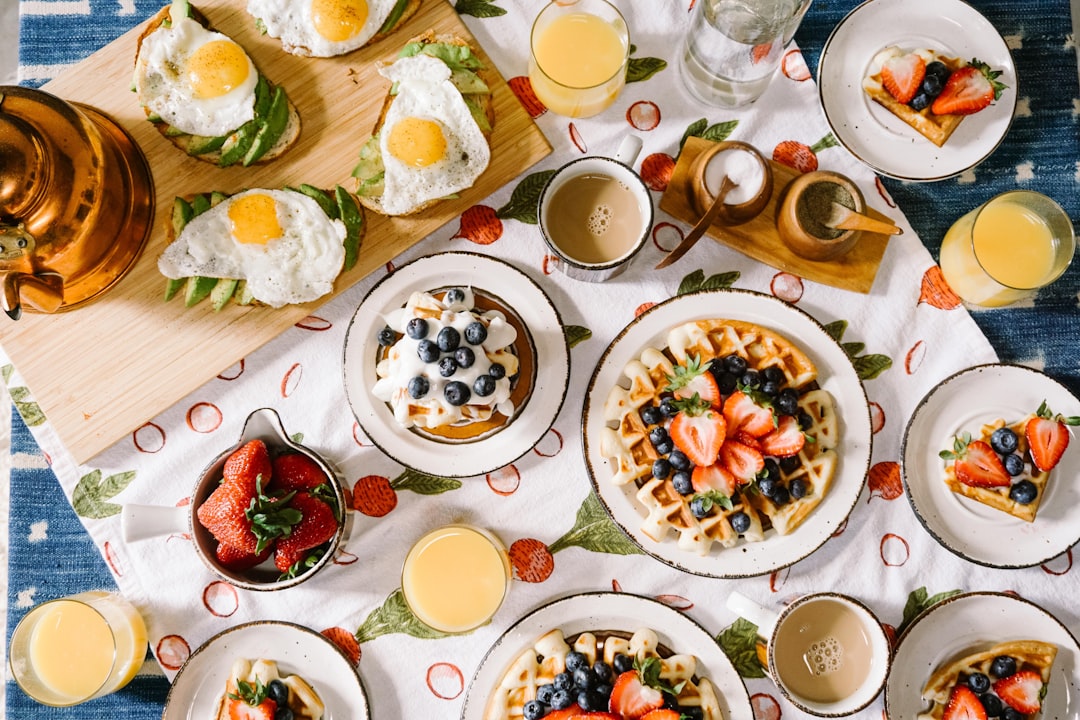
Healthy leftovers do not have to look or taste like a repeat of last night’s dinner. This practical whole-food guide shows you how to check what is safe to use, choose a new format, add fresh ingredients, and turn cooked vegetables, grains, beans, meat, eggs, sauces, and roasted foods into balanced meals before they are forgotten in the refrigerator.
Overview
A useful leftover makeover starts with two questions: What needs to be eaten first? and What different meal would make it appealing? Instead of planning a recipe and shopping for every ingredient, begin with the food already prepared. This approach can simplify seasonal meal planning, support budget-friendly healthy meals, and make batch cooking more flexible.
Use the following four-part method:
- Audit: List cooked foods, sauces, produce, and opened ingredients in the refrigerator.
- Check: Confirm when each item was cooked or opened, whether it was chilled promptly, and whether its texture or smell has changed.
- Transform: Move the food into a new format, such as a grain bowl, soup, frittata, wrap, salad, or skillet.
- Balance: Add fresh produce, a protein source, and a satisfying carbohydrate or healthy fat where needed.
Think of leftovers as components rather than incomplete meals. Roasted vegetables can become a filling for whole-grain flatbread, cooked grains can form the base of a lunch bowl, and a small amount of sauce can tie several ingredients together. For cooking technique ideas, see our beginner’s guide to whole-food cooking methods.
Checklist by scenario
Use this comparison table when you are standing in front of the refrigerator and need a direction quickly.
| Leftover | New format | Add fresh ingredients | Meal idea |
|---|---|---|---|
| Cooked vegetables | Frittata, soup, grain bowl, taco filling | Leafy greens, herbs, beans, eggs, or yogurt | Roasted vegetable and bean bowl with lemon-herb dressing |
| Cooked grains | Salad, fried-style skillet, stuffed vegetable, porridge | Crunchy vegetables, greens, seeds, or a protein | Brown rice salad with cucumber, chickpeas, and tahini |
| Beans or lentils | Spread, soup, patties, filling, stew | Tomatoes, onions, greens, spices, or whole-grain bread | Lentil patties with cabbage slaw and plain yogurt |
| Cooked meat or poultry | Wrap, soup, salad, hash, noodle bowl | Fresh vegetables, grains, beans, or a bright sauce | Chicken and roasted vegetable wrap with greens |
| Eggs | Toast topping, salad, breakfast bowl, sandwich | Avocado, tomatoes, greens, beans, or whole-grain bread | Egg and white bean toast with sliced tomato |
| Sauces and dressings | Marinade, bowl dressing, soup base, spread | Cooked grains, vegetables, beans, or noodles | Herb sauce over potatoes, greens, and salmon or beans |
| Roasted ingredients | Soup, puree, flatbread topping, warm salad | Stock, legumes, fresh herbs, citrus, or seeds | Roasted squash soup with white beans and pumpkin seeds |
Quick fridge-inventory worksheet
Write this on a notepad, save it in a notes app, or use it before your next grocery trip:
- Use first: ______________________________
- Cooked grains or starchy vegetables: ______________________________
- Vegetables and fruit: ______________________________
- Beans, lentils, eggs, meat, fish, or tofu: ______________________________
- Sauces, dips, herbs, and garnishes: ______________________________
- Fresh item needed to complete a meal: ______________________________
- Chosen format: bowl / soup / salad / wrap / skillet / frittata / other
For a plant-forward, high-protein combination, pair beans, lentils, tofu, eggs, or Greek-style yogurt with a grain and plenty of vegetables. Our high-protein plant-forward meal builder offers a useful framework for making that combination.
What to double-check
Food safety first
Before transforming anything, identify when it was cooked, whether it was refrigerated promptly, and whether it has been stored in a clean, covered container. Perishable food should not sit at room temperature for extended periods; use extra caution in a very warm kitchen. When you cannot confidently identify how long food has been stored, discard it rather than trying to rescue it.
Look for unusual odor, visible mold, sliminess, bubbling, or unexpected discoloration. Do not taste food to decide whether it is safe. Keep raw and cooked foods separate, and use clean utensils when portioning leftovers. Rice, grains, pasta, and other moist cooked foods deserve particular care: cool and refrigerate them promptly rather than leaving them in a warm pot.
Reheating and texture
Reheat only the portion you plan to eat when possible. Heat leftovers until they are thoroughly hot, stirring soups, stews, and dense dishes so the center warms evenly. If using a microwave, cover the container loosely, stir partway through, and allow the food to stand briefly before checking it. Some foods improve with gentle reheating: add a splash of water to grains, stock to soup, or fresh dressing to vegetables that have dried out.
Balance and appetite
A leftover meal does not need to be perfectly symmetrical, but it should be satisfying. Use the plate as a check: include a generous portion of vegetables or fruit, a source of protein, and a grain, potato, or other carbohydrate as appropriate for your appetite. Add flavor with citrus, vinegar, herbs, toasted seeds, or a measured spoonful of sauce. If the meal feels heavy, add fresh greens or crunchy vegetables rather than discarding the cooked food.
Common mistakes
- Repeating the original plate: Change the format and flavor profile. Turn curry into a grain bowl, roast vegetables into a frittata, or beans into a spread.
- Adding too many leftovers: Choose one main component and two supporting ingredients. A crowded combination can be difficult to season and less appealing.
- Forgetting contrast: Pair soft foods with something crisp, and rich foods with acid or fresh herbs.
- Shopping before checking the fridge: Inventory first, then buy only the fresh item that completes the meal.
- Ignoring portions: Divide a large batch into meal-sized containers so the food cools more efficiently and is easier to use.
- Freezing by default: Freezing can help, but not every food keeps its best texture. Use the refrigerator for near-term meals and consult our freezer meal prep guide for foods better suited to freezing.
Mindful eating can help with the final decision too. Pause to consider whether you want something warm, crisp, light, or substantial, then choose a makeover that matches that preference. A hunger, portion, and meal-pacing worksheet can make this check more intentional.
When to revisit
Run this checklist whenever you finish batch cooking, return from a restaurant meal, or notice several containers accumulating in the refrigerator. A five-minute audit before grocery shopping can prevent duplicate purchases and reveal the next meal’s starting point.
Revisit the system at the start of each season. In spring and summer, transform leftovers with fresh herbs, greens, cucumbers, tomatoes, and bright dressings. In autumn and winter, use roasted roots, squash, sturdy greens, beans, and warming soups. Seasonal produce can change the same basic leftovers into meals that feel distinct; use our seasonal whole-food produce guide to plan additions.
Keep the worksheet visible and update it when your household’s schedule, storage space, or preferred meal formats change. Before acting, complete this final sequence:
- Find the item that needs using first.
- Confirm its storage history and condition.
- Choose a format that is different from the original meal.
- Add one fresh ingredient for color, texture, or balance.
- Prepare only what you expect to eat, and refrigerate any new leftovers promptly.
With that routine, leftover cooking becomes less about rescuing random food and more about planning the next healthy whole-food meal from what you already have.