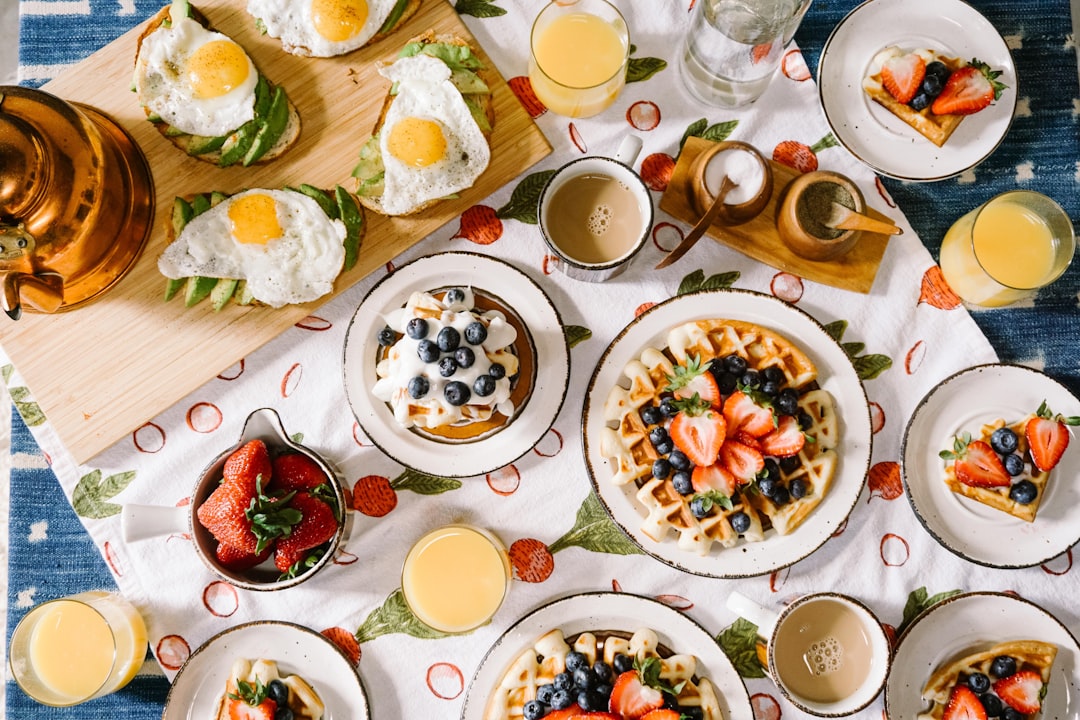
Build satisfying high-protein plant-forward meals with a repeatable formula based on beans, lentils, tofu, tempeh, eggs, dairy, grains, and seasonal produce—without depending on meat or protein powders. This guide includes practical portion estimates, mix-and-match templates, preparation tips, substitutions, and a simple way to adjust meals for appetite, training, budget, and dietary preferences.
Overview
A high-protein meal does not need to be complicated. Start with one substantial protein-rich food, add a whole-food carbohydrate for energy, include vegetables or fruit, and finish with a source of flavor and useful fat. This creates a balanced plate that can work for breakfast, lunch, dinner, or meal prep.
For a practical starting point, many adults find it useful to include one or two protein anchors at each main meal. The right amount depends on body size, activity, appetite, health needs, and the rest of the day’s food. People who train regularly may prefer larger portions or an additional protein-rich snack, while others may feel satisfied with smaller servings spread across meals.
Think of the following formula as a meal builder rather than a strict prescription:
- Protein anchor: beans, lentils, tofu, tempeh, edamame, eggs, Greek-style yogurt, cottage cheese, or another suitable food.
- Energy base: oats, brown rice, quinoa, potatoes, whole-grain bread, corn, or another minimally processed grain or starchy food.
- Produce: vegetables or fruit, chosen fresh, frozen, or canned according to season, availability, and budget.
- Flavor and staying power: tahini, seeds, nuts, olive oil, avocado, herbs, spices, salsa, or a yogurt-based sauce.
This approach supports a range of plant protein cooking methods and makes it easy to create vegetarian, vegan, or flexitarian meals from the same basic ingredients.
How to estimate
To estimate the protein contribution of a meal, list each meaningful source and add its approximate amount. Use the package label, a trusted nutrition database, or the ranges below as a planning guide. Values vary with brand, preparation method, moisture content, and serving size, so treat them as estimates rather than exact measurements.
| Food | Planning portion | Approximate protein contribution | Best use |
|---|---|---|---|
| Lentils, cooked | 1 cup | About 15–20 g | Curries, soups, grain bowls, salads |
| Beans, cooked | 1 cup | About 12–18 g | Chili, tacos, bowls, pasta sauces |
| Tofu, firm | About 150–200 g | About 18–25 g | Stir-fries, scrambles, sheet-pan meals |
| Tempeh | About 100 g | About 15–20 g | Sandwiches, bowls, skewers |
| Edamame, cooked | 1 cup | About 15–20 g | Salads, fried rice, snack plates |
| Eggs | 2 large eggs | About 12–14 g | Breakfast plates, frittatas, rice bowls |
| Greek-style yogurt or cottage cheese | About ¾–1 cup | Check the label; often a substantial single-serving source | Breakfast, sauces, snacks |
| Quinoa, cooked | 1 cup | About 6–9 g | Grain bowls, pilafs, salads |
For a simple calculation, add the protein from the anchor to the smaller contributions from grains, seeds, dairy, or eggs. For example, a bowl with lentils, quinoa, pumpkin seeds, and vegetables may provide more protein than lentils alone. The main decision is usually portion size: increase the protein anchor first, then adjust the grain and fats according to hunger and activity.
For meal prep, multiply the portions by the number of servings. If you want four lunches and each lunch uses ¾ cup of beans, plan for 3 cups of cooked beans. This same multiplication works for grains, roasted vegetables, sauces, and toppings. For safe storage and reheating ideas, see the whole-food freezer meal prep guide.
Inputs and assumptions
Your meal estimate becomes more useful when you define the inputs before cooking. Use these five questions:
- What is the primary protein? Choose one anchor such as lentils, tofu, tempeh, beans, eggs, edamame, or dairy.
- How hungry or active will you be? Use a larger anchor portion, an extra topping, or a protein-rich snack when a meal needs to be more substantial.
- What is your dietary pattern? For vegan meals, combine legumes, soy foods, nuts, seeds, and grains. For vegetarian meals, eggs and dairy add more options. If you have an allergy or medical restriction, use a suitable alternative.
- What is available? Frozen vegetables, dried lentils, canned beans, seasonal produce, and bulk grains can make whole-food meals more practical. Compare unit prices rather than assuming fresh or specialty products are the best value.
- What will hold up in storage? Beans, lentils, roasted vegetables, cooked grains, and firm tofu generally work well in make-ahead combinations. Keep crisp toppings, herbs, and sauces separate when possible.
Mix-and-match bowl template
Choose one item from each line:
- Protein: lentils, black beans, chickpeas, tofu, tempeh, edamame, eggs, or yogurt sauce.
- Grain or starch: brown rice, quinoa, barley, oats, potatoes, corn, or whole-grain pita.
- Two vegetables: use one cooked vegetable and one raw or quick-cooking option for contrast.
- Sauce: tahini-lemon dressing, salsa, peanut-lime sauce, herb yogurt, or a bean-based spread.
- Optional finish: seeds, chopped nuts, avocado, pickled vegetables, herbs, or toasted spices.
Substitution chart
| If the recipe uses | Try instead | Why it works |
|---|---|---|
| Chicken or ground meat | Lentils, crumbled tempeh, tofu, or beans | Adds texture and works in tacos, sauces, bowls, and casseroles |
| Eggs | Tofu scramble or mashed chickpea mixture | Useful for vegan breakfasts and sandwich fillings |
| Quinoa | Brown rice, barley, oats, or potatoes | Uses familiar, often less expensive pantry staples |
| Greek-style yogurt | Unsweetened soy yogurt or blended silken tofu | Provides a creamy base for sauces or breakfast bowls |
| Fresh vegetables | Frozen or well-drained canned vegetables | Reduces waste and keeps meal prep flexible |
For more cooking substitutions, use the healthy ingredient substitution chart. To plan around seasonal availability, pair the protein template with the seasonal whole-food produce guide.
Worked examples
Vegan training-day bowl
Combine 1 cup of lentils, ¾–1 cup of cooked quinoa, roasted vegetables, edamame, and a tahini-lemon sauce. The lentils and edamame provide the main protein contribution, while quinoa adds energy and texture. Increase the grain or sauce if the meal needs more calories, or use a smaller grain portion for a lighter meal.
Budget-friendly bean dinner
Cook a pot of black beans with onions, tomatoes, and spices. Serve them over brown rice with cabbage, salsa, and a spoonful of plain yogurt or mashed avocado. For a higher-protein version, add edamame, a side of cottage cheese, or a second bean serving. Dried beans and lentils can be especially practical when you have time to cook in batches; canned versions are useful when convenience matters.
Vegetarian breakfast plate
Build a plate with two eggs, whole-grain toast, sautéed greens, and cottage cheese or yogurt with fruit. For a meat-free savory option without eggs, use tofu cooked with mushrooms, spinach, and spices, then add toast or potatoes. These combinations demonstrate that high-protein whole food recipes do not have to resemble a salad or rely on a supplement.
Three-day lunch prep
Prepare a batch of lentils, a grain, roasted seasonal vegetables, and one sauce. Divide the components into three containers, keeping seeds, herbs, and crunchy vegetables separate. Change the flavor profile each day with salsa, curry spices, or a lemon-herb dressing. This keeps the underlying ingredients consistent while preventing repetitive meals.
When to recalculate
Revisit your meal builder whenever your schedule, appetite, training, budget, or food availability changes. Recalculate portions if you begin training more often, add longer sessions, change your meal timing, or notice that meals are not keeping you satisfied. The goal is not to chase a perfect number; it is to make the meal fit the day.
Update your ingredient assumptions when package sizes, labels, local prices, or seasonal availability change. Prices can vary by store and region, so record the cost of the foods you actually buy rather than relying on a fixed estimate. A quick twice-yearly pantry and grocery review is enough for most households, with an extra check when your usual staples become unavailable.
For the next meal-planning session, choose three protein anchors, two grains or starches, four vegetables, and two sauces. Cook the ingredients in batches, portion according to appetite, and keep the protein estimate visible in your notes. Then adjust one variable at a time: increase the anchor for a more protein-dense meal, add starch for training fuel, or add produce and sauce for volume and flavor. This repeatable system makes plant-forward eating easier to sustain across seasons, budgets, and changing routines.